Category: Digital Advertising

Learn how digital advertising helps Singapore SMEs generate leads and scale their business. This section covers Facebook Ads, Google Ads, paid search strategy, cost per lead benchmarks, budgeting guidance, and campaign optimisation techniques. Understand how paid advertising works alongside social media marketing and website strategy to drive measurable results. These guides are designed to help business owners make smarter decisions about ad spend, targeting, and performance tracking in Singapore’s competitive digital landscape.

  • How Interior Design Companies in Singapore Generate Consistent Leads

    How Interior Design Companies in Singapore Generate Consistent Leads

    How Interior Design Companies in Singapore Generate Consistent Leads

    For many interior design firms in Singapore, lead flow is unpredictable.

    Some months are strong.
    Some months are quiet.

    The difference is rarely talent.
    It is structure.

    This article breaks down how interior design companies generate consistent renovation leads using structured digital marketing.


    Why Referrals Alone Are Not Enough

    Referrals are valuable.

    But relying purely on word-of-mouth creates instability.

    Common issues:

    • Lead volume fluctuates
    • No control over pipeline
    • Difficult to scale
    • Heavy price comparison pressure

    Sustainable firms combine referrals with structured lead generation systems.


    Step 1: Build Visibility Where Homeowners Are Searching

    Interior design leads usually come from two channels:

    • Social media discovery
    • Google search intent

    Platforms like Facebook, Instagram and Google allow interior design firms to reach homeowners actively planning renovation.

    A structured approach to digital marketing for interior design companies ensures that marketing is not random.

    👉 Learn more about structured marketing systems here:
    https://www.globivio.com/industries-interior-design-marketing-singapore/


    Step 2: Use Funnel-Based Campaigns

    Successful interior design firms do not run one single ad.

    They run funnel campaigns:

    1. Awareness (showcase portfolio)
    2. Retargeting (engaged homeowners)
    3. Lead conversion (appointment / enquiry)

    This improves lead quality and lowers cost per enquiry.


    Step 3: Optimise for Qualified Leads, Not Just Volume

    Many firms complain about low-quality renovation leads.

    Often the issue is:

    • No filtering questions
    • No clear positioning
    • No budget qualification
    • Weak landing page structure

    Better targeting + stronger messaging improves closing rate significantly.


    Step 4: Retargeting Is Essential

    Homeowners rarely decide immediately.

    Retargeting:

    • Website visitors
    • Engaged Instagram users
    • Previous lead form viewers

    Helps increase trust and conversion over time.


    Final Thoughts

    Interior design lead generation in Singapore is competitive.

    But firms that structure campaigns properly gain predictable growth.

    If you’re exploring a more structured digital marketing strategy for your interior design business, speak with our team.

    Contact Us →
    https://www.globivio.com/contact/

  • Digital Marketing for SMEs in Singapore: A Practical Growth Guide (2026)

    Digital Marketing for SMEs in Singapore: A Practical Growth Guide (2026)

    Digital Marketing for SMEs in Singapore: A Practical Growth Guide (2026)

    For many SMEs in Singapore, digital marketing feels like a gamble.

    Budgets are tight.
    Agencies promise results.
    Platforms keep changing.

    And yet, many business owners still struggle with one core question:

    “Is our marketing actually driving real business growth?”

    This guide breaks down what digital marketing should realistically look like for SMEs in Singapore — and how to avoid wasting budget.


    Why Most SMEs Struggle With Digital Marketing

    The issue isn’t effort.

    It’s structure.

    Common problems we see:

    • Boosting posts without clear objectives
    • Running ads without proper landing pages
    • Hiring agencies without KPI alignment
    • Expecting SEO results without strategy
    • No tracking system in place

    Digital marketing is not just posting content.

    It is a performance system.


    What Digital Marketing Should Include for SMEs

    A structured approach typically includes:

    1. Social Media Marketing for Lead Generation

    Organic posting builds brand presence.
    Paid campaigns drive enquiries.

    A proper social media marketing strategy in Singapore should include:

    • Funnel-based ad structure
    • Clear audience segmentation
    • Conversion tracking setup
    • Lead qualification process

    👉 Explore our approach to structured campaigns here:
    https://www.globivio.com/social-media-marketing/


    2. Search Engine Marketing (High Intent Leads)

    Unlike social ads, Google captures demand.

    When someone searches:

    • “interior design company singapore”
    • “renovation contractor near me”
    • “tuition centre near me”

    They are ready to act.

    That’s where structured search engine marketing campaigns become powerful for SMEs.

    👉 Learn more about how we structure Google campaigns:
    https://www.globivio.com/search-engine-marketing/


    3. Website That Converts — Not Just Looks Good

    Many SMEs invest in a website once and never optimise it.

    But your website is not a brochure.
    It is a conversion tool.

    A well-built website development strategy in Singapore focuses on:

    • Clear call-to-actions
    • Fast loading speed
    • Mobile optimisation
    • Lead capture forms
    • Analytics tracking

    👉 View our website development solutions:
    https://www.globivio.com/website-development-singapore/


    4. E-Commerce Structure for Online Brands

    For product-based SMEs, growth depends heavily on:

    • Conversion-optimised product pages
    • Retargeting campaigns
    • Funnel-based remarketing
    • Tracking ROAS properly

    A structured e-commerce website setup combined with paid ads significantly improves profitability.

    👉 Explore our e-commerce development services:
    https://www.globivio.com/e-commerce-website/


    How Much Should SMEs Invest in Digital Marketing?

    One of the most common questions:

    “What’s a realistic budget?”

    In Singapore, SMEs typically invest between:

    • $3,000–$5,000/month (starter structured campaigns)
    • $6,000–$10,000/month (growth-focused scaling phase)

    Below that, results may become inconsistent due to limited testing and optimisation bandwidth.

    Digital marketing is not about spending more.
    It’s about spending strategically.


    In-House vs Agency: What Makes Sense for SMEs?

    Hiring in-house marketing may seem cheaper.

    But consider:

    • Salary cost
    • CPF contributions
    • Training
    • Software subscriptions
    • Experience level

    An experienced agency team often brings:

    • Multi-platform knowledge
    • Creative + performance alignment
    • Cross-industry insights
    • Established testing frameworks

    The key is not “agency vs in-house”.

    It’s:

    Who can generate measurable ROI more consistently?


    Industries Where Structured Marketing Makes Big Impact

    We’ve observed strong digital performance in industries such as:

    • Interior design & renovation
    • Tuition & education centres
    • F&B brands
    • E-commerce retailers
    • Healthcare & therapy services

    Each industry requires tailored strategy — not generic marketing.

    You can explore some of our portfolio case studies here:
    https://www.globivio.com/portfolio-social-media-marketing/
    https://www.globivio.com/portfolio-website-and-e-commerce/


    The Real Objective: Sustainable Growth

    For SMEs, digital marketing should achieve:

    • Consistent enquiry flow
    • Lower cost per lead over time
    • Scalable campaigns
    • Measurable ROI
    • Long-term brand authority

    If campaigns rely purely on “boosting posts” or sporadic ads, growth becomes unstable.

    Structured marketing creates stability.


    Frequently Asked Questions

    You may also find answers to common questions about digital marketing strategy and implementation here:
    https://www.globivio.com/faqs/


    Final Thoughts

    Digital marketing for SMEs in Singapore is no longer optional.

    But it must be strategic.

    Without structure, budget leaks.
    With structure, marketing becomes a growth engine.

    If you’re exploring how to build a performance-focused marketing system for your business, speak with our team for a structured discussion.

    👉 Contact us here:
    https://www.globivio.com/contact/

  • How Much Does Social Media Marketing Cost in Singapore? (2026 SME Guide)

    How Much Does Social Media Marketing Cost in Singapore? (2026 SME Guide)

    How Much Does Social Media Marketing Cost in Singapore? (2026 SME Guide)

    If you’re a business owner searching for social media marketing cost in Singapore, you’re likely asking one key question:

    How much budget should I set aside — and what am I really paying for?

    The answer depends on your business goals, scope of work, and whether you’re hiring a freelancer, in-house staff, or a professional social media marketing agency in Singapore.

    This guide breaks down realistic pricing ranges, what affects cost, and how SMEs should approach budgeting.


    Average Social Media Marketing Cost in Singapore

    For SMEs in Singapore, social media marketing pricing typically falls within these ranges:

    Freelancer

    SGD $500 – $1,500 per month
    Usually includes basic posting and simple visuals. Limited strategy.

    Small Agency

    SGD $1,500 – $3,500 per month
    Includes content planning, graphic design, captions, and light strategy.

    Established Agency

    SGD $3,000 – $6,000+ per month
    Includes strategy, content production, video, ads management, reporting, and optimisation.

    Pricing varies based on:

    • Number of platforms (Facebook, Instagram, TikTok, LinkedIn)
    • Number of posts per month
    • Whether video production is included
    • Paid ads management
    • Campaign objectives (branding vs lead generation)

    What Are You Actually Paying For?

    Many business owners assume social media marketing is “just posting content”.

    In reality, professional social media marketing Singapore services include:

    1. Strategy Development

    Before posting begins, agencies analyse:

    • Target audience
    • Competitors
    • Market positioning
    • Content direction
    • Funnel objectives

    Without strategy, posting becomes random.


    2. Content Creation

    This includes:

    • Graphic design
    • Short-form video production
    • Copywriting
    • Photography (if required)
    • Reels / TikTok editing

    High-quality content directly impacts engagement and credibility.


    3. Paid Ads Management

    Organic reach is limited.

    Most effective campaigns integrate Meta Ads to:

    • Generate leads
    • Drive website traffic
    • Retarget interested audiences

    Ads management includes setup, targeting, optimisation, and reporting.


    4. Reporting & Optimisation

    Professional agencies track:

    • Cost per lead
    • Engagement rate
    • Conversion rate
    • ROI

    This ensures budget is not wasted.


    Why Some Social Media Marketing Packages Are Cheaper

    Low-cost packages often:

    • Offer templated designs
    • Skip strategic planning
    • Do not include ads management
    • Provide no analytics insight
    • Focus only on posting volume

    While cheaper upfront, they may not generate business results.

    For SMEs, the real question is not cost — but return on investment.


    How SMEs in Singapore Should Budget

    Instead of asking:
    “How much is the cheapest package?”

    Ask:
    “What is my business goal?”

    If your goal is brand awareness, budget requirements differ from lead generation campaigns.

    A realistic starting budget for SMEs:

    • Social media management: $1,500–$3,000/month
    • Ads budget: $800–$2,000/month (separate from management fee)

    This allows proper testing and optimisation.


    Should You Hire In-House or an Agency?

    Hiring an in-house social media executive in Singapore costs:

    • Salary: $2,500–$4,000/month
    • CPF contributions
    • Training
    • Software tools

    Yet one staff member may lack design, video, strategy, and ads expertise.

    An agency provides a team:

    • Strategist
    • Designer
    • Video editor
    • Ads specialist

    For many SMEs, agency support provides broader expertise at comparable cost.


    Is Social Media Marketing Worth It for SMEs?

    When executed properly, social media marketing can:

    • Increase brand visibility
    • Generate consistent leads
    • Improve credibility
    • Drive measurable ROI

    The issue is rarely the platform.

    It is usually the lack of structure.


    How Globivio Helps SMEs Maximise Social Media ROI

    At Globivio, we structure social media marketing around measurable business outcomes.

    Our approach includes:

    • Clear audience targeting
    • Content aligned with conversion goals
    • In-house visual production
    • Strategic ad funnel planning
    • Transparent performance reporting

    You can view our social media portfolio projects here:
    👉 https://www.globivio.com/portfolio-social-media-marketing/

    If you are evaluating social media marketing Singapore pricing, the real consideration is not just cost — but execution quality.


    Final Thoughts

    Social media marketing cost in Singapore varies widely.

    But for SMEs serious about growth, it should be treated as an investment — not an expense.

    The right strategy, combined with professional execution, often delivers returns far exceeding monthly fees.

    If you would like a customised proposal based on your industry and objectives, reach out to our team at Globivio.

  • Xiaohongshu Marketing for Singapore Brands: What Content Actually Converts in 2026

    Xiaohongshu Marketing for Singapore Brands: What Content Actually Converts in 2026

    Xiaohongshu Marketing for Singapore Brands: What Content Actually Converts in 2026

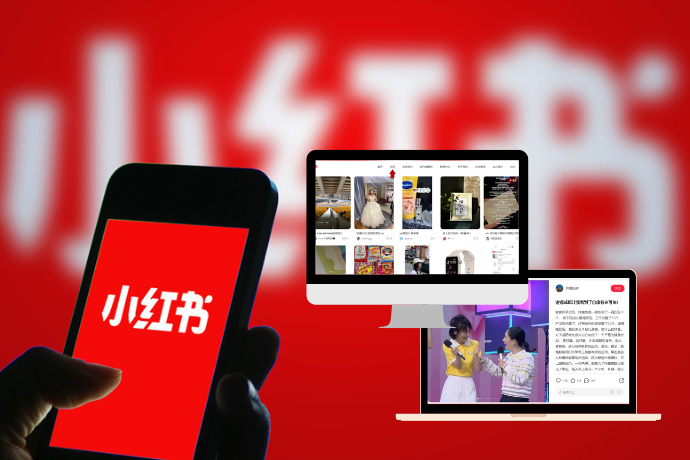
    Xiaohongshu (小红书) is no longer just a Chinese lifestyle platform.

    In Singapore, it has become a powerful discovery engine for:

    • Beauty brands
    • Aesthetic clinics
    • Interior design firms
    • F&B brands
    • Cross-border e-commerce sellers

    But many companies make one mistake:

    They treat Xiaohongshu like Instagram.

    That is why performance stalls.

    This guide explains what actually converts on Xiaohongshu in 2026.


    First: Understand How Xiaohongshu Works

    Xiaohongshu is:

    • Search-driven
    • SEO-driven
    • Review-driven
    • Trust-driven

    Users go to Xiaohongshu to:

    • Research
    • Compare
    • Validate
    • Shortlist

    It is not primarily an entertainment platform.

    It is a decision platform.


    What Type of Content Converts on Xiaohongshu?

    In Singapore market context, these formats perform best:


    1️⃣ Educational Comparison Content

    Examples:

    • “HDB Renovation Budget Breakdown in Singapore”
    • “Best Facial Treatments in Orchard – Honest Review”
    • “Is Invisalign Worth It in Singapore?”

    Why it works:
    Users are already in research mode.

    This format builds authority and trust.


    2️⃣ Case Study & Before–After Content

    Highly effective for:

    • Interior designers
    • Clinics
    • F&B
    • Fitness
    • Beauty

    Real results > Promotional claims.

    Xiaohongshu algorithm favours authentic storytelling.


    3️⃣ Experience-Based Reviews

    Instead of:
    “We are the best renovation company”

    Better:
    “Our 4-Room HDB Renovation Journey in Tampines”

    Storytelling converts better than advertising tone.


    4️⃣ Problem-Solution Content

    Examples:

    • “Why Your Renovation Budget Always Exceeds Plan”
    • “Why Most SME Facebook Ads Fail”
    • “Why Your Acne Keeps Coming Back”

    Educational pain-point content drives saves and shares.


    What Does NOT Convert Well

    Many Singapore brands fail because they post:

    • Corporate posters
    • Hard-selling promotions
    • Recycled Instagram graphics
    • Low-context product photos

    Xiaohongshu rewards depth, not just visuals.


    Organic vs Paid on Xiaohongshu

    Organic works if:

    • SEO keywords are embedded in captions
    • Titles are written in search-friendly format
    • Content feels authentic

    But scalable growth often requires:

    • KOL collaboration
    • Spark Ads
    • Retargeting
    • Structured content calendar

    If you’re running multi-platform strategy:
    👉 https://www.globivio.com/social-media-marketing/


    Which Singapore Businesses Benefit Most?

    Xiaohongshu performs strongest for:

    • Beauty & skincare
    • Aesthetic clinics
    • Interior design & renovation
    • Education services
    • Lifestyle F&B
    • Cross-border brands targeting Chinese audience

    It is weaker for:

    • B2B industrial services
    • Purely corporate consulting
    • Non-visual services

    The Strategic Role of Xiaohongshu in 2026

    For Singapore SMEs, Xiaohongshu should not replace:

    • Your website
    • Your Google search strategy
    • Your Meta ads

    Instead, it should complement them.

    The strongest structure is:

    1. Xiaohongshu (Discovery + Research)
    2. Google (Search intent)
    3. Website (Conversion)
    4. Retargeting (Close)

    If your website is not conversion-ready:
    👉 https://www.globivio.com/e-commerce-website/


    Common Mistakes Singapore Brands Make

    • Copying China-based strategy blindly
    • Not localising content
    • Ignoring keyword structure
    • No tracking for enquiries
    • No content calendar

    Xiaohongshu is not “post and hope.”

    It is structured content SEO.


    Final Thoughts: Is Xiaohongshu Worth It for Singapore Brands?

    Yes — if:

    • Your audience uses it
    • Your industry fits
    • Your content is structured
    • You treat it as a search engine

    No — if:

    • You expect instant sales
    • You refuse content commitment
    • Your product is not visually driven

    Xiaohongshu is a research platform.

    And research platforms convert high-intent buyers.

    If you’re evaluating whether Xiaohongshu fits your growth strategy:
    👉 https://www.globivio.com/contact/

  • Is Influencer Marketing Worth It for SMEs in Singapore? A 2026 ROI Breakdown

    Is Influencer Marketing Worth It for SMEs in Singapore? A 2026 ROI Breakdown

    Is Influencer Marketing Worth It for SMEs in Singapore? A 2026 ROI Breakdown

    Influencer marketing is everywhere.

    But for SMEs in Singapore, the real question is:

    “Will influencer marketing actually generate profit — or just visibility?”

    This guide breaks down when influencer marketing works, when it fails, and how SMEs should evaluate ROI before spending budget.


    First: What Influencer Marketing Is (And Isn’t)

    Influencer marketing is not magic.

    It is:

    • Borrowed audience attention
    • Social proof transfer
    • Trust acceleration

    It is not:

    • Guaranteed sales
    • Free marketing
    • Instant brand growth

    ROI depends on structure — not popularity.


    How Much Does Influencer Marketing Cost in Singapore?

    Costs vary widely:

    Micro influencers (5k–20k followers):

    • $150–$800 per post

    Mid-tier influencers:

    • $800–$3,000 per campaign

    Top-tier influencers:

    • $5,000+

    And that excludes:

    • Content production cost
    • Boosted ad spend
    • Discount margins
    • Free product cost

    Before launching, SMEs must calculate:

    Total Cost vs Expected Return.


    When Influencer Marketing Makes Financial Sense

    Influencer marketing tends to work best when:

    ✅ Product has strong margin
    ✅ Product is visually appealing
    ✅ Purchase decision is emotion-driven
    ✅ Brand awareness matters
    ✅ Audience trusts influencer niche

    Examples in Singapore:

    • Beauty & skincare
    • Aesthetic clinics
    • F&B launches
    • Fashion brands
    • Lifestyle products

    When Influencer Marketing Often Fails

    It performs poorly when:

    ❌ Product requires long consultation
    ❌ B2B service with long sales cycle
    ❌ Low-margin products
    ❌ No tracking system in place
    ❌ One-off campaign without follow-up

    Many SMEs lose money because they:

    • Do one post
    • See temporary spike
    • No retargeting
    • No funnel structure

    Influencer marketing must integrate with paid ads.

    If you need structured funnel campaigns:
    👉 https://www.globivio.com/social-media-marketing/


    Micro vs Macro Influencers: Which Converts Better?

    In Singapore market context:

    Micro influencers often deliver:

    • Higher engagement
    • Better niche trust
    • Lower cost
    • More authentic content

    Macro influencers deliver:

    • Broader awareness
    • Faster exposure
    • Higher vanity metrics

    For SMEs, micro-influencers often produce better ROI.

    But only if:

    • Tracking links are used
    • Conversion landing page exists
    • Retargeting is activated

    The Hidden ROI Multiplier: Paid Amplification

    The most effective strategy is:

    1️⃣ Influencer creates content
    2️⃣ Brand boosts the content as paid ads
    3️⃣ Retarget engaged viewers
    4️⃣ Drive conversion to website

    Without amplification, ROI is unpredictable.

    If your website is not conversion-ready:
    👉 https://www.globivio.com/e-commerce-website/


    How to Calculate Influencer ROI

    Basic formula:

    (Revenue Generated – Total Campaign Cost) ÷ Total Campaign Cost

    But smarter SMEs also track:

    • Cost per acquisition
    • Cost per lead
    • Lifetime value of customer
    • Repeat purchase rate

    If you don’t track properly, influencer marketing becomes guesswork.

    For structured ROI measurement:
    👉 https://www.globivio.com/blog/digital-marketing-roi-for-smes-singapore/


    Is Influencer Marketing Suitable for Your SME?

    It may be worth it if:

    • You have strong content product
    • You understand funnel structure
    • You can track conversions
    • You have margin flexibility

    It may not be ideal if:

    • You expect instant direct sales
    • You rely on one post
    • You refuse retargeting
    • Your margins are thin

    Final Verdict: Should SMEs in Singapore Invest in Influencer Marketing?

    Influencer marketing is not about popularity.

    It is about:

    • Margin structure
    • Funnel integration
    • Conversion tracking
    • Paid amplification

    Used correctly, it accelerates trust.

    Used blindly, it drains budget.

    If you’re evaluating whether influencer marketing fits your 2026 growth plan:
    👉 https://www.globivio.com/contact/

  • Benefits of working with a cross-border operations agency

    Benefits of working with a cross-border operations agency

    Benefits of working with a cross-border operations agency

    Many SMEs in Singapore face this dilemma:

    “Should we hire a local digital marketing agency — or an overseas team?”

    With remote work normalised, overseas agencies (including Malaysia-based teams) have become more common.

    But lower cost does not automatically mean better ROI.

    This guide breaks down what Singapore SMEs should evaluate before deciding.


    Cost Comparison: Is Overseas Always Cheaper?

    Overseas agencies may offer:

    • Lower retainers
    • Lower manpower cost
    • Larger production volume

    But SMEs must consider:

    • Campaign efficiency
    • Wasted ad spend
    • Strategy depth
    • Revision cycles
    • Communication delays

    A lower monthly retainer does not guarantee lower total marketing cost.

    What matters is:

    Cost per qualified lead
    Cost per acquisition
    Return on ad spend

    If ROI is weak, cheaper agencies become expensive.


    Communication & Market Understanding

    Local agencies understand:

    • Singapore consumer behaviour
    • Local buying psychology
    • Local competition
    • Local search trends
    • Regulatory nuances

    Overseas agencies may struggle with:

    • Context-specific messaging
    • Cultural nuance
    • On-ground competitor research

    For industries like:

    • Interior design
    • Clinics
    • Tuition
    • Corporate services

    Local market insight directly affects conversion rate.


    Strategy vs Execution

    Some agencies focus on:

    • Content posting
    • Graphic design
    • Media buying

    But true performance agencies focus on:

    • Funnel structure
    • Landing page optimisation
    • Retargeting
    • CRM integration
    • Data tracking

    SMEs should ask:

    “Is this agency strategic — or just operational?”

    If your website is not conversion-ready:
    👉 https://www.globivio.com/e-commerce-website/


    Ad Spend Efficiency

    A cheaper agency that:

    • Mismanages targeting
    • Fails at retargeting
    • Does not test creatives
    • Does not optimise conversion

    Can burn thousands in ad spend.

    Efficiency matters more than monthly fee.

    Ask:

    • What is your optimisation process?
    • How often do you test creatives?
    • How do you measure qualified leads?

    Scalability & Long-Term Partnership

    As your SME grows:

    • Will the agency scale with you?
    • Can they handle multi-channel strategy?
    • Do they integrate SEO + Ads + Website + Tracking?

    Fragmented strategy causes growth plateaus.

    Integrated strategy compounds growth.

    If you’re evaluating structured campaign strategy:
    👉 https://www.globivio.com/social-media-marketing/


    When Overseas Agencies Make Sense

    They may be suitable if:

    • You only need content production
    • You have in-house strategist
    • You manage ads internally
    • You prioritise cost over strategy

    When Local or Hybrid Agencies Make Sense

    They are stronger if:

    • You need strategic direction
    • You need structured funnels
    • You want ROI tracking
    • You want integrated marketing
    • You operate in competitive Singapore industries

    The Smart Question to Ask

    Instead of asking:

    “Which agency is cheaper?”

    Ask:

    “Which agency will generate better ROI per dollar spent?”

    That is the real comparison.


    Final Verdict: Local vs Overseas Digital Marketing Agency

    There is no universal answer.

    The right choice depends on:

    • Your industry
    • Your growth stage
    • Your internal capabilities
    • Your marketing objectives

    But remember:

    Marketing is not a cost centre.

    It is a growth investment.

    Choose based on performance, not just price.

    If you’re evaluating structured growth strategy for your SME:
    👉 https://www.globivio.com/contact/

  • What Type of Video Content Converts Best for SMEs in Singapore? (2026 Guide)

    What Type of Video Content Converts Best for SMEs in Singapore? (2026 Guide)

    What Type of Video Content Converts Best for SMEs in Singapore? (2026 Guide)

    Many SMEs in Singapore are investing in video.

    But most are asking the wrong question.

    Instead of asking:

    “How do we go viral?”

    They should be asking:

    “What type of video content actually converts?”

    Because not all video formats drive revenue.

    Some build awareness.
    Some build trust.
    Some generate enquiries.
    Some drive direct sales.

    Understanding the difference is what separates profitable campaigns from wasted budgets.

    This guide breaks down which video formats convert best for SMEs in Singapore — and how to structure them strategically.


    First: What Does “Convert” Actually Mean?

    Before choosing a video format, you must define your goal.

    For SMEs, conversion could mean:

    • Lead form submission
    • WhatsApp enquiry
    • Appointment booking
    • Consultation sign-up
    • Add to cart
    • Purchase

    If your video has no measurable objective, you are producing content for vanity metrics.

    Video should support measurable business outcomes.


    Why Video Marketing Works Well in Singapore

    Singapore consumers are:

    • Highly digital
    • Mobile-first
    • Social-media active
    • Research-driven before purchasing

    Before hiring a renovation firm, clinic, tuition centre, or corporate service provider, prospects usually:

    1. Visit your social media
    2. Watch your videos
    3. Evaluate credibility
    4. Compare alternatives

    Video shortens the trust-building cycle.

    But only if structured correctly.

    If you’re running paid campaigns, explore:
    👉 https://www.globivio.com/social-media-marketing/


    The 5 Types of Video That Convert Best for SMEs


    Testimonial & Case Study Videos (High Trust Converters)

    Best for:

    • Interior design firms
    • Tuition centres
    • Aesthetic clinics
    • Corporate services
    • Renovation companies

    Why they work:

    • Social proof reduces hesitation
    • Real client stories build credibility
    • Results are demonstrated visually
    • Objections are answered naturally

    In Singapore’s competitive SME landscape, trust is the biggest barrier to conversion.

    Testimonial videos perform especially well in:

    • Retargeting campaigns
    • Middle-to-bottom funnel ads
    • Website landing pages

    They often reduce cost per lead significantly.


    Problem-Solution Explainer Videos (Direct Lead Drivers)

    This format addresses:

    • A specific pain point
    • A clear solution
    • A structured process

    Example:

    “If you’re struggling with inconsistent renovation timelines, here’s how our workflow ensures structured project delivery.”

    This works extremely well for:

    • Service-based SMEs
    • B2B companies
    • Professional services
    • Consultancy firms

    Singapore buyers prefer clarity.

    When a video explains:

    • The problem
    • The impact
    • The solution
    • The outcome

    It shortens decision-making time.

    These videos convert strongly when paired with a conversion-optimised website:

    👉 https://www.globivio.com/website-development-singapore/


    Before & After Showcase Videos (Visual Proof)

    Highly effective for:

    • Interior design
    • Renovation
    • Beauty
    • Fitness
    • Product brands

    Before-and-after content:

    • Grabs attention instantly
    • Demonstrates capability
    • Creates emotional impact
    • Signals expertise

    On platforms like:

    • Instagram Reels
    • TikTok
    • Facebook Ads

    Short-form before-and-after videos often outperform static posts.

    However, without a clear call-to-action, they become just “nice content.”


    Educational Authority Videos (Long-Term Lead Nurture)

    These videos:

    • Teach something useful
    • Position you as an expert
    • Build long-term credibility

    Examples:

    “How SMEs Should Measure Marketing ROI”
    “How to Choose a Renovation Contractor in Singapore”
    “What Parents Should Look for in a Tuition Centre”

    They may not convert immediately.

    But they:

    • Warm up cold audiences
    • Reduce price sensitivity
    • Improve closing rates later

    In Singapore’s research-heavy market, authority-based content strengthens perceived expertise.


    Offer-Based Short-Form Video Ads (Direct Response)

    Short-form videos (15–30 seconds) with:

    • Strong hook
    • Clear benefit
    • Direct call-to-action

    Example:

    “Free consultation this month.”
    “Limited renovation slots for Q2.”
    “Trial class for tuition students.”

    These perform best in:

    • Bottom-funnel campaigns
    • Time-sensitive promotions
    • Retargeting audiences

    They must be supported by:

    • Landing pages
    • WhatsApp integration
    • Clear conversion tracking

    Without tracking, optimisation is impossible.

    If you’re exploring professional production support:
    👉 https://www.globivio.com/video-production/


    What Performs Best on Each Platform?

    Facebook & Instagram

    • Testimonials
    • Explainers
    • Retargeting videos
    • Short-form offer ads

    TikTok

    • Before/after transformations
    • Educational quick tips
    • Hook-driven short content

    YouTube

    • Authority explainers
    • Long-form walkthroughs
    • Deep-dive case studies

    Platform matters.

    But funnel placement matters more.


    The Most Important Factor: Funnel Structure

    Many SMEs fail because they:

    • Use awareness videos for direct sales
    • Run long-form videos to cold traffic
    • Ignore retargeting
    • Focus only on views

    A high-converting funnel typically looks like this:

    Top Funnel (Cold Audience)

    Educational or attention-grabbing content
    Goal: Awareness & engagement

    Middle Funnel (Warm Audience)

    Testimonials, case studies, proof
    Goal: Build trust

    Bottom Funnel (Hot Audience)

    Offer-based direct response videos
    Goal: Enquiry or purchase

    Video performs best when placed correctly inside a structured funnel.


    Production Quality Still Matters

    In Singapore’s premium and competitive market, perception is critical.

    Poor lighting.
    Unclear audio.
    Shaky camera.
    Inconsistent branding.

    These reduce trust immediately.

    High production quality:

    • Signals professionalism
    • Increases perceived value
    • Improves conversion rate

    Quality influences perception.
    Perception influences pricing power.


    Common SME Mistakes with Video Marketing

    • Producing video without strategy
    • No clear call-to-action
    • No tracking setup
    • Copying competitors blindly
    • Focusing only on views
    • Not aligning video with landing page

    Views do not equal revenue.

    Structure equals revenue.


    Final Thoughts

    The best video content for SMEs in Singapore is not the most creative.

    It is the most strategic.

    High-converting videos:

    • Address real problems
    • Build trust
    • Demonstrate proof
    • Guide viewers toward action
    • Integrate into a structured funnel

    Video should not exist for vanity metrics.

    It should support measurable business growth.

    If you’re evaluating which video strategy fits your SME:
    👉 https://www.globivio.com/contact/

  • Search Engine Marketing for SMEs in Singapore: How to Capture High-Intent Leads (2026 Guide)

    Search Engine Marketing for SMEs in Singapore: How to Capture High-Intent Leads (2026 Guide)

    Search Engine Marketing for SMEs in Singapore: How to Capture High-Intent Leads (2026 Guide)

    Many SMEs in Singapore invest heavily in social media ads.

    But when it comes to capturing ready-to-buy customers, search engine marketing (SEM) is often more powerful.

    Why?

    Because search captures intent.

    When someone searches:

    • “interior design company singapore”
    • “renovation contractor near me”
    • “corporate service provider singapore”
    • “tuition centre near me”

    They are not browsing.

    They are looking to take action.

    This guide explains how SMEs can use SEM strategically to generate qualified leads — not just traffic.


    What Is Search Engine Marketing (SEM)?

    Search Engine Marketing typically refers to paid search advertising — primarily Google Ads.

    Unlike social media marketing (which interrupts attention), SEM captures demand that already exists.

    It allows SMEs to:

    • Appear at the top of Google search results
    • Target specific keywords
    • Pay only when someone clicks
    • Track conversions precisely

    For service-based SMEs, this is one of the most efficient acquisition channels.

    Learn more about our SEM services here:
    👉 https://www.globivio.com/search-engine-marketing/


    Why SEM Works So Well for SMEs

    SMEs operate with limited budgets.

    That means every dollar must generate measurable results.

    SEM works because:

    1️⃣ It Targets High-Intent Audiences

    You are targeting people actively searching for your service.

    This shortens the sales cycle.


    2️⃣ It Is Highly Measurable

    You can track:

    • Cost per click (CPC)
    • Cost per lead (CPL)
    • Conversion rate
    • Return on ad spend (ROAS)

    If you are unsure how to evaluate ROI properly, read:
    👉 https://www.globivio.com/blog/digital-marketing-roi-for-smes-singapore/


    3️⃣ It Scales With Performance

    When campaigns are profitable, you can increase budget confidently.

    Unlike branding campaigns, SEM provides clearer data.


    Common SEM Mistakes SMEs Make

    Many SMEs try Google Ads and say:

    “Google Ads doesn’t work.”

    In reality, the issue is structure.

    Common mistakes include:

    • Bidding on broad keywords
    • Sending traffic to generic homepage
    • No conversion tracking setup
    • No negative keyword filtering
    • Not optimising based on data

    Without structure, SEM becomes expensive.

    With structure, it becomes scalable.


    The 4 Key Components of a High-Performing SEM Campaign

    1️⃣ Keyword Strategy

    Focus on:

    • Commercial intent keywords
    • Location-based searches
    • Service-specific terms

    Avoid informational-only keywords if your goal is lead generation.


    2️⃣ Landing Page Optimisation

    Your ad is only half the equation.

    If traffic lands on:

    • A slow website
    • A cluttered homepage
    • A page with no clear call-to-action

    Conversion rates drop.

    Your landing page must:

    • Match the keyword intent
    • Be mobile-optimised
    • Have strong CTA
    • Load quickly

    If your website is not conversion-ready:
    👉 https://www.globivio.com/website-development-singapore/


    3️⃣ Conversion Tracking Setup

    Before launching ads, ensure:

    • Google Tag Manager is installed
    • Form submissions are tracked
    • Call tracking is configured
    • Conversion values are assigned

    Data drives optimisation.

    Without tracking, you cannot improve performance.


    4️⃣ Ongoing Optimisation

    SEM is not “set and forget.”

    Ongoing optimisation includes:

    • Adjusting bids
    • Testing ad copy
    • Refining keywords
    • Excluding irrelevant traffic
    • Improving quality score

    Campaigns improve over time when data is used correctly.


    SEM vs Social Media Ads: Which Should SMEs Use?

    Both serve different roles.

    Social Media Ads

    • Good for awareness
    • Good for remarketing
    • Builds brand familiarity

    Search Engine Marketing

    • Captures ready-to-buy traffic
    • Generates higher intent leads
    • Often lower cost per acquisition in service industries

    For many SMEs in Singapore, the best approach is a combined strategy.


    When Should SMEs Invest in SEM?

    SEM is ideal when:

    • You offer a clear service
    • Customers actively search for it
    • You want predictable lead flow
    • You have budget for testing

    Industries where SEM performs strongly:

    • Interior design & renovation
    • Tuition & education
    • Legal services
    • Corporate services
    • Healthcare clinics

    If you operate in interior design, explore this:
    👉 https://www.globivio.com/industries-interior-design-marketing-singapore/


    Final Thoughts

    Search Engine Marketing is not about traffic.

    It is about capturing demand.

    For SMEs in Singapore, structured SEM campaigns can:

    • Reduce cost per lead
    • Improve lead quality
    • Provide measurable ROI
    • Scale sustainably

    The difference between profitable and unprofitable campaigns lies in structure, tracking and optimisation.

    If you are exploring a performance-driven SEM strategy, speak with our team:
    👉 https://www.globivio.com/contact/

  • Shopee vs Lazada vs TikTok Shop: Which Platform Is Best for SMEs in Singapore? (2026 Guide)

    Shopee vs Lazada vs TikTok Shop: Which Platform Is Best for SMEs in Singapore? (2026 Guide)

    Shopee vs Lazada vs TikTok Shop: Which Platform Is Best for SMEs in Singapore? (2026 Guide)

    If you’re planning to sell online in Singapore, you’ve likely considered:

    • Shopee
    • Lazada
    • TikTok Shop

    All three platforms provide access to large audiences.

    But they are fundamentally different ecosystems.

    Choosing the wrong platform can:

    • Reduce profit margins
    • Increase advertising costs
    • Create pricing pressure
    • Damage brand positioning

    This guide breaks down which marketplace suits different SME growth strategies in Singapore.


    First: Define Your E-Commerce Strategy

    Before comparing platforms, ask:

    • Are you building a brand or chasing fast sales?
    • Is your product price-sensitive?
    • Are you selling commodity goods?
    • Can you produce video content consistently?
    • Are you prepared to run paid ads?
    • Do you want to build long-term brand equity?

    Your business model determines the right platform.

    There is no universal best choice.


    Singapore E-Commerce Market Context (2026)

    Singapore’s e-commerce market is:

    • Highly competitive
    • Promotion-driven
    • Discount-sensitive
    • Influencer-influenced
    • Mobile-first

    Consumers actively compare:

    • Price
    • Reviews
    • Seller ratings
    • Shipping speed
    • Voucher stackability

    This creates margin pressure.

    Understanding this behaviour is critical before choosing a platform.


    Shopee: High Traffic, High Competition

    Shopee is one of the largest marketplaces in Singapore.

    Strengths

    • Massive traffic volume
    • Strong local consumer familiarity
    • Frequent mega sale campaigns (9.9, 11.11, 12.12)
    • Built-in advertising tools
    • Strong voucher ecosystem

    Challenges

    • Intense price competition
    • Heavy reliance on discounts
    • Margin compression
    • Difficult brand differentiation
    • Ad dependency for visibility

    Shopee works well for:

    • Fast-moving consumer goods
    • Price-sensitive categories
    • Volume-based sellers
    • Commodity products

    However, Shopee tends to reward aggressive pricing and voucher stacking.

    Brand positioning is often secondary.


    Lazada: Structured & Slightly More Premium

    Lazada also has a strong presence in Singapore.

    Strengths

    • More structured seller ecosystem
    • Brand registry programs
    • Official store credibility
    • Better category control
    • Strong logistics support

    Challenges

    • Still highly price competitive
    • Platform fees + commission
    • Requires optimisation knowledge
    • Ads required for scale

    Lazada often suits:

    • Established brands
    • Mid-range pricing tiers
    • Businesses with structured inventory systems
    • Sellers focused on professional presentation

    Compared to Shopee, Lazada can feel slightly more structured and brand-oriented.

    But profitability still depends on advertising efficiency.


    TikTok Shop: Content-Driven Social Commerce

    TikTok Shop operates differently.

    It is not just a marketplace.

    It is social commerce.

    Products are discovered through:

    • Short-form videos
    • Creator recommendations
    • Live streams
    • Influencer partnerships

    Strengths

    • Organic viral potential
    • Lower initial discovery barrier
    • Strong impulse-buying behaviour
    • Influencer ecosystem
    • Algorithm-driven product exposure

    Challenges

    • Requires constant content creation
    • Performance can be volatile
    • Trend-driven product cycles
    • Short product lifecycle
    • Requires creative consistency

    TikTok Shop works well for:

    • Trend-based products
    • Visual products
    • Beauty & lifestyle categories
    • Impulse purchases
    • SMEs willing to produce content regularly

    Unlike Shopee and Lazada, TikTok rewards content strategy more than pricing alone.

    If you’re running structured ads alongside marketplace growth:
    👉 https://www.globivio.com/social-media-marketing/


    Cost Structure Comparison

    All three platforms include:

    • Commission fees
    • Transaction fees
    • Advertising costs
    • Logistics handling fees
    • Voucher co-funding

    However, many SMEs underestimate:

    Advertising dependency.

    To scale consistently on any platform in Singapore, paid traffic is usually required.

    Without ads, growth plateaus.

    Your true profitability depends on:

    • Customer acquisition cost (CAC)
    • Average order value (AOV)
    • Repeat purchase rate
    • Margin after platform fees

    Marketplace vs Owning Your Own Website

    Many SMEs rely fully on marketplaces.

    The risk?

    You do not own customer data.

    You cannot:

    • Collect email lists freely
    • Build retargeting audiences
    • Control full user journey
    • Protect brand positioning

    Long-term sustainable growth often requires:

    • Building your own website
    • Running performance ads
    • Controlling conversion experience
    • Capturing customer data

    If you are exploring e-commerce website development:
    👉 https://www.globivio.com/e-commerce-website/

    Marketplaces generate revenue.

    Your website builds brand equity.


    Which Platform Is Best for SMEs in Singapore?

    There is no universal answer.

    Choose based on strategic fit.


    Choose Shopee if:

    • You compete on price
    • You sell common consumer goods
    • You want high traffic exposure
    • You rely on volume sales
    • You accept thinner margins

    Choose Lazada if:

    • You want stronger brand positioning
    • You manage structured inventory
    • You target mid-tier pricing
    • You want slightly more professional brand perception

    Choose TikTok Shop if:

    • You can produce engaging short-form content
    • Your product is visually appealing
    • You understand influencer marketing
    • You want discovery-based sales
    • You are comfortable testing trends

    When Should SMEs Use Multiple Platforms?

    Scaling across multiple platforms becomes viable when:

    • Product demand is validated
    • Profit margins are stable
    • Advertising structure is established
    • Inventory management is efficient
    • Operations are streamlined

    Many SMEs make the mistake of:

    Launching on all platforms at once
    Spreading budget too thin
    Not tracking profitability per channel

    Expansion without structure increases complexity and reduces clarity.


    Common Marketplace Mistakes SMEs Make

    • Focusing only on revenue, not profit
    • Ignoring advertising cost dependency
    • Not optimising product listings
    • Weak product visuals
    • No brand positioning
    • No off-platform marketing strategy

    Marketplace success still requires:

    • Clear pricing strategy
    • Strong visuals
    • Optimised listings
    • Data-driven advertising

    Final Thoughts

    Shopee, Lazada and TikTok Shop each serve different growth strategies.

    For SMEs in Singapore, the best platform depends on:

    • Product type
    • Pricing strategy
    • Branding ambition
    • Content capability
    • Long-term vision

    Marketplaces generate sales.

    Structured marketing generates sustainable growth.

    If you need guidance on choosing and scaling the right platform:
    👉 https://www.globivio.com/contact/

  • In-House vs Agency Video Production: What’s Better for SMEs in Singapore? (2026 Guide)

    In-House vs Agency Video Production: What’s Better for SMEs in Singapore? (2026 Guide)

    In-House vs Agency Video Production: What’s Better for SMEs in Singapore? (2026 Guide)

    Video is now one of the most powerful marketing tools for SMEs.

    From:

    • Social media ads
    • Website landing pages
    • Product launches
    • Corporate branding
    • Marketplace listings

    Video content influences trust and conversion.

    But SMEs often face a key decision:

    Should we build an in-house video team, or hire a professional agency?

    This guide breaks down the strategic differences.


    Why Video Matters for SME Growth

    Video impacts:

    • Click-through rate
    • Engagement rate
    • Conversion rate
    • Ad performance
    • Brand perception

    If you are running performance campaigns:
    👉 https://www.globivio.com/social-media-marketing/

    Visual quality directly affects cost per acquisition.


    Option 1: Building an In-House Video Team

    Some SMEs consider hiring:

    • Videographer
    • Editor
    • Content strategist

    Advantages:

    • Full control over schedule
    • Faster turnaround
    • Internal brand familiarity
    • Long-term content capability

    Challenges:

    • Equipment investment cost
    • Salary + CPF + benefits
    • Training requirements
    • Limited creative exposure
    • Risk of creative stagnation

    In-house works well for:

    • Large brands producing daily content
    • Businesses with strong marketing departments
    • Companies with consistent video volume

    For smaller SMEs, cost efficiency may be lower.


    Option 2: Hiring a Video Production Agency

    Agencies provide:

    • Professional equipment
    • Experienced creative teams
    • Structured production process
    • Strategic input
    • Cross-industry exposure

    Advantages:

    • High production quality
    • Scalable project-based engagement
    • Access to diverse skill sets
    • Lower long-term fixed cost

    Challenges:

    • Requires planning
    • Scheduling coordination
    • Higher upfront project cost

    For SMEs without constant video needs, agency collaboration is often more cost-effective.

    Explore professional video production here:
    👉 https://www.globivio.com/video-production/


    Cost Comparison: In-House vs Agency

    In-House Approximate Cost:

    • Salary: $2,500–$4,000/month (entry-level)
    • Equipment: $5,000–$15,000+
    • Software subscriptions
    • Editing time cost
    • Ongoing training

    Annual cost can exceed $50,000–$70,000.


    Agency Model:

    • Project-based fees
    • No long-term payroll commitment
    • Scalable budget
    • Access to full team

    For many SMEs, agency cost is variable rather than fixed.


    Which Option Produces Better ROI?

    ROI depends on:

    • Video usage frequency
    • Marketing funnel integration
    • Conversion tracking
    • Content quality

    If video is used for:

    • Paid ads
    • Lead generation
    • Product launches

    Quality impacts ROI significantly.

    To understand ROI measurement:
    👉 https://www.globivio.com/blog/digital-marketing-roi-for-smes-singapore/


    Hybrid Model: A Smart Alternative

    Some SMEs adopt a hybrid model:

    • In-house for simple content
    • Agency for high-impact campaigns

    This balances cost and quality.


    When Should SMEs Invest in Professional Video?

    Video investment makes sense when:

    • Scaling paid ads
    • Launching new product line
    • Rebranding
    • Improving website conversion
    • Entering marketplaces

    If your website is not optimised:
    👉 https://www.globivio.com/website-development-singapore/

    Video should support conversion — not just aesthetics.


    Common Mistakes SMEs Make

    • Buying expensive equipment without strategy
    • Producing videos without clear funnel objective
    • Ignoring tracking and performance metrics
    • Choosing cheapest vendor over quality

    Video is a marketing asset.

    It should be treated strategically.


    Final Thoughts

    There is no universal answer.

    For SMEs in Singapore:

    • In-house works for high-volume content environments.
    • Agencies work better for strategic campaigns and scalable growth.

    The key is aligning video production with business objectives.

    If you are evaluating your video strategy:
    👉 https://www.globivio.com/contact/