
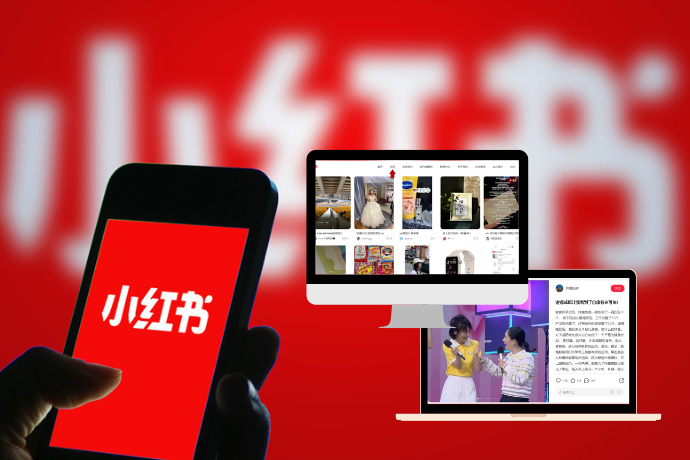
Xiaohongshu Marketing for Singapore Brands: What Content Actually Converts in 2026
Xiaohongshu (小红书) is no longer just a Chinese lifestyle platform.
In Singapore, it has become a powerful discovery engine for:
- Beauty brands
- Aesthetic clinics
- Interior design firms
- F&B brands
- Cross-border e-commerce sellers
But many companies make one mistake:
They treat Xiaohongshu like Instagram.
That is why performance stalls.
This guide explains what actually converts on Xiaohongshu in 2026.
First: Understand How Xiaohongshu Works
Xiaohongshu is:
- Search-driven
- SEO-driven
- Review-driven
- Trust-driven
Users go to Xiaohongshu to:
- Research
- Compare
- Validate
- Shortlist
It is not primarily an entertainment platform.
It is a decision platform.
What Type of Content Converts on Xiaohongshu?
In Singapore market context, these formats perform best:
1️⃣ Educational Comparison Content
Examples:
- “HDB Renovation Budget Breakdown in Singapore”
- “Best Facial Treatments in Orchard – Honest Review”
- “Is Invisalign Worth It in Singapore?”
Why it works:
Users are already in research mode.
This format builds authority and trust.
2️⃣ Case Study & Before–After Content
Highly effective for:
- Interior designers
- Clinics
- F&B
- Fitness
- Beauty
Real results > Promotional claims.
Xiaohongshu algorithm favours authentic storytelling.
3️⃣ Experience-Based Reviews
Instead of:
“We are the best renovation company”
Better:
“Our 4-Room HDB Renovation Journey in Tampines”
Storytelling converts better than advertising tone.
4️⃣ Problem-Solution Content
Examples:
- “Why Your Renovation Budget Always Exceeds Plan”
- “Why Most SME Facebook Ads Fail”
- “Why Your Acne Keeps Coming Back”
Educational pain-point content drives saves and shares.
What Does NOT Convert Well
Many Singapore brands fail because they post:
- Corporate posters
- Hard-selling promotions
- Recycled Instagram graphics
- Low-context product photos
Xiaohongshu rewards depth, not just visuals.
Organic vs Paid on Xiaohongshu
Organic works if:
- SEO keywords are embedded in captions
- Titles are written in search-friendly format
- Content feels authentic
But scalable growth often requires:
- KOL collaboration
- Spark Ads
- Retargeting
- Structured content calendar
If you’re running multi-platform strategy:
👉 https://www.globivio.com/social-media-marketing/
Which Singapore Businesses Benefit Most?
Xiaohongshu performs strongest for:
- Beauty & skincare
- Aesthetic clinics
- Interior design & renovation
- Education services
- Lifestyle F&B
- Cross-border brands targeting Chinese audience
It is weaker for:
- B2B industrial services
- Purely corporate consulting
- Non-visual services
The Strategic Role of Xiaohongshu in 2026
For Singapore SMEs, Xiaohongshu should not replace:
- Your website
- Your Google search strategy
- Your Meta ads
Instead, it should complement them.
The strongest structure is:
- Xiaohongshu (Discovery + Research)
- Google (Search intent)
- Website (Conversion)
- Retargeting (Close)
If your website is not conversion-ready:
👉 https://www.globivio.com/e-commerce-website/
Common Mistakes Singapore Brands Make
- Copying China-based strategy blindly
- Not localising content
- Ignoring keyword structure
- No tracking for enquiries
- No content calendar
Xiaohongshu is not “post and hope.”
It is structured content SEO.
Final Thoughts: Is Xiaohongshu Worth It for Singapore Brands?
Yes — if:
- Your audience uses it
- Your industry fits
- Your content is structured
- You treat it as a search engine
No — if:
- You expect instant sales
- You refuse content commitment
- Your product is not visually driven
Xiaohongshu is a research platform.
And research platforms convert high-intent buyers.
If you’re evaluating whether Xiaohongshu fits your growth strategy:
👉 https://www.globivio.com/contact/