
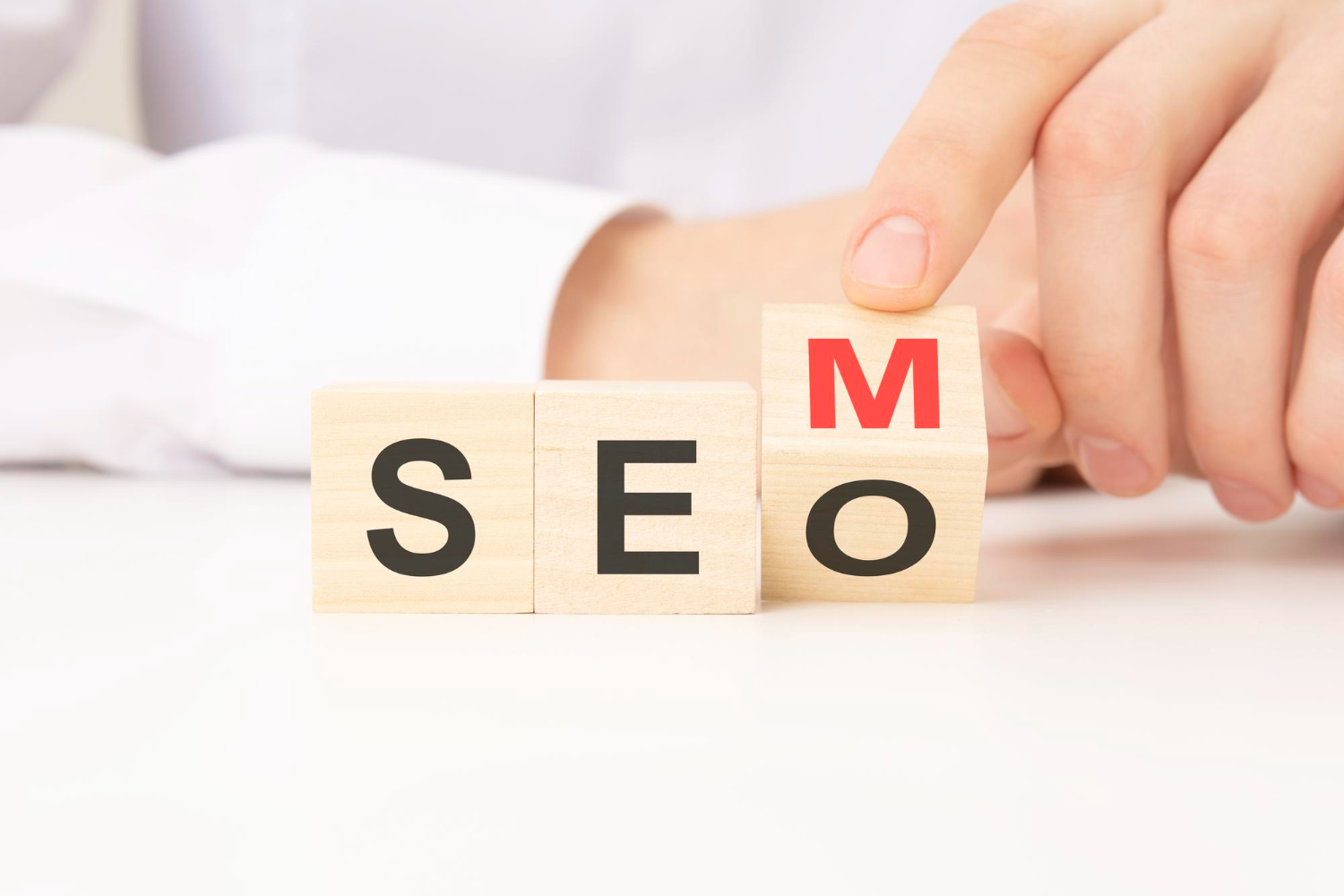
The SEO vs SEM Singapore decision is one of the most common and most important budget allocation questions Singapore SME owners face. Both channels appear in Google search results — but they work through entirely different mechanisms, operate on different timelines, and suit different business situations. Understanding precisely how they differ, when each is appropriate, and how they work best together is essential for any Singapore business investing in search marketing in 2026.
SEO vs SEM Singapore: The Core Difference
The fundamental distinction in SEO vs SEM Singapore is simple: SEO earns search visibility for free through relevance and authority; SEM buys search visibility immediately through paid advertising. Both result in your business appearing in Google search results — but the mechanism, timeline, cost structure, and strategic implications are entirely different.
- SEO (Search Engine Optimisation): Optimising your website to rank organically in Google search results. Takes 3–12 months to build. Traffic is free once rankings are established. Results compound over time. Stops generating traffic only if rankings drop.
- SEM (Search Engine Marketing): Paying Google to display your ads at the top of search results for specific keywords. Delivers immediate visibility. You pay per click (PPC). Traffic stops the moment you stop paying. Results are immediate but non-compounding.
When SEO Is the Right Choice for Singapore Businesses
SEO is the stronger long-term investment for Singapore businesses when:
- You have a 6–12 month horizon: SEO requires patience — if your Singapore business needs leads within the next 30 days, SEO is not the answer
- Your target keywords have sustainable search volume: If Singapore customers consistently search for what you offer, SEO rankings generate ongoing traffic indefinitely
- You want to reduce long-term customer acquisition costs: Once established, organic rankings deliver free traffic — progressively reducing cost-per-lead compared to paid advertising
- You are building content marketing alongside SEO: The combination of SEO rankings and high-quality content builds authority that paid advertising cannot replicate
- Your business model has high customer lifetime value: The long investment period of SEO is most easily justified when each acquired customer is worth SGD 5,000+
When SEM Is the Right Choice for Singapore Businesses
SEM is the stronger short-term choice for Singapore businesses when:
- You need leads immediately: A new Singapore business, a seasonal campaign, or a product launch cannot wait months for SEO rankings to mature
- You want to test keyword and message viability: SEM data — which keywords convert, which ad messages resonate — is invaluable for informing your subsequent SEO strategy
- Your Singapore competitors dominate organic rankings: If established players own page one for your target keywords, SEM allows you to appear above them immediately while building organic authority over time
- You have a high-ticket offering: Singapore businesses where a single client is worth SGD 10,000–100,000+ can justify high cost-per-click because the ROI from even a small number of conversions is significant
- You are running a time-limited promotion: SEM campaigns can be switched on and off instantly — ideal for Singapore sale periods, events, or seasonal promotions
SEO vs SEM Singapore: Cost Comparison
Understanding the true cost of each channel requires looking beyond immediate spend to long-term cost-per-lead:
- SEM upfront cost: Low — you can start with SGD 1,500/month ad spend. But costs are ongoing and non-compounding.
- SEO upfront cost: Higher in the first 6 months (SGD 1,000–3,500/month retainer) with no immediate traffic return. But cost-per-lead drops progressively as rankings and traffic build.
- 12-month total cost: For a Singapore business spending SGD 2,000/month on each — SGD 24,000 on SEM buys 12 months of traffic that disappears on month 13. SGD 24,000 on SEO builds rankings that continue generating free traffic indefinitely from month 7–8 onwards.
- Long-term winner: SEO delivers progressively lower cost-per-lead over time; SEM cost-per-lead remains relatively static or increases as competition grows.
The Answer Most Singapore Businesses Need: Use Both Together
The SEO vs SEM Singapore framing is ultimately a false choice for most businesses. The most effective search marketing strategy for Singapore SMEs combines both channels working in parallel:
- SEM generates immediate leads from day one while your Singapore business is generating cash flow and building brand recognition
- SEM data informs SEO strategy — the keywords that convert in your Google Ads campaigns are your highest-priority SEO targets
- SEO progressively reduces SEM dependence — as organic rankings mature, you can reduce SEM spend on organically-ranking keywords and redirect budget to new targets
- Both together maximise search real estate — appearing in both paid and organic positions for the same Singapore keyword significantly increases click-through rates and brand authority signals
Globivio’s Search Engine Marketing service manages both SEM and SEO strategy for Singapore clients as an integrated search marketing approach. Complement search marketing with social media marketing for full-funnel coverage.
Frequently Asked Questions
If I can only afford one — SEO or SEM — which should a Singapore SME choose?
If your Singapore business needs revenue now, choose SEM. If you can afford to invest for 6–12 months without immediate search traffic returns, choose SEO. For most Singapore SMEs in their first 2 years of operation, SEM is the pragmatic choice — it generates leads while the business is establishing itself, and provides the keyword data that makes subsequent SEO investment far more targeted and efficient. Once cash flow is stable and the business model is validated, add SEO as a parallel investment to progressively reduce SEM dependence.
Does running SEM hurt my SEO rankings in Singapore?
No — Google has confirmed that running paid SEM campaigns has no direct positive or negative effect on organic SEO rankings. They are completely separate systems. Running SEM does not improve your organic rankings, but it also does not damage them. The indirect benefits of SEM for SEO include: increased website traffic that may generate natural backlinks, improved brand recognition that increases organic click-through rates, and keyword data that informs your SEO content strategy. The two channels are independent but complementary.
How long should a Singapore business run SEM before switching focus to SEO?
Do not switch — add. The optimal approach is to start SEM immediately and add SEO investment at month 3–6 once your Singapore business has validated which channels, keywords, and messages work. As SEO rankings mature at month 9–12, you can selectively reduce SEM spend on keywords where organic rankings have reached page one — redirecting that budget to new SEM targets or reducing total paid search investment. Full transition away from SEM is rarely advisable for Singapore businesses in competitive markets — paid presence in SEM preserves top-of-page visibility and competitive intelligence that organic rankings alone cannot guarantee.
Make the Right SEO and SEM Decision for Your Singapore Business
The SEO vs SEM Singapore decision is not a permanent either/or choice — it is a sequencing and allocation question that evolves as your Singapore business grows. Start with what delivers results fastest given your current situation, then build the complementary channel as resources allow.
Contact Globivio today for a free search marketing strategy consultation — we’ll recommend the right SEO and SEM mix for your Singapore business goals and budget, no obligation.