
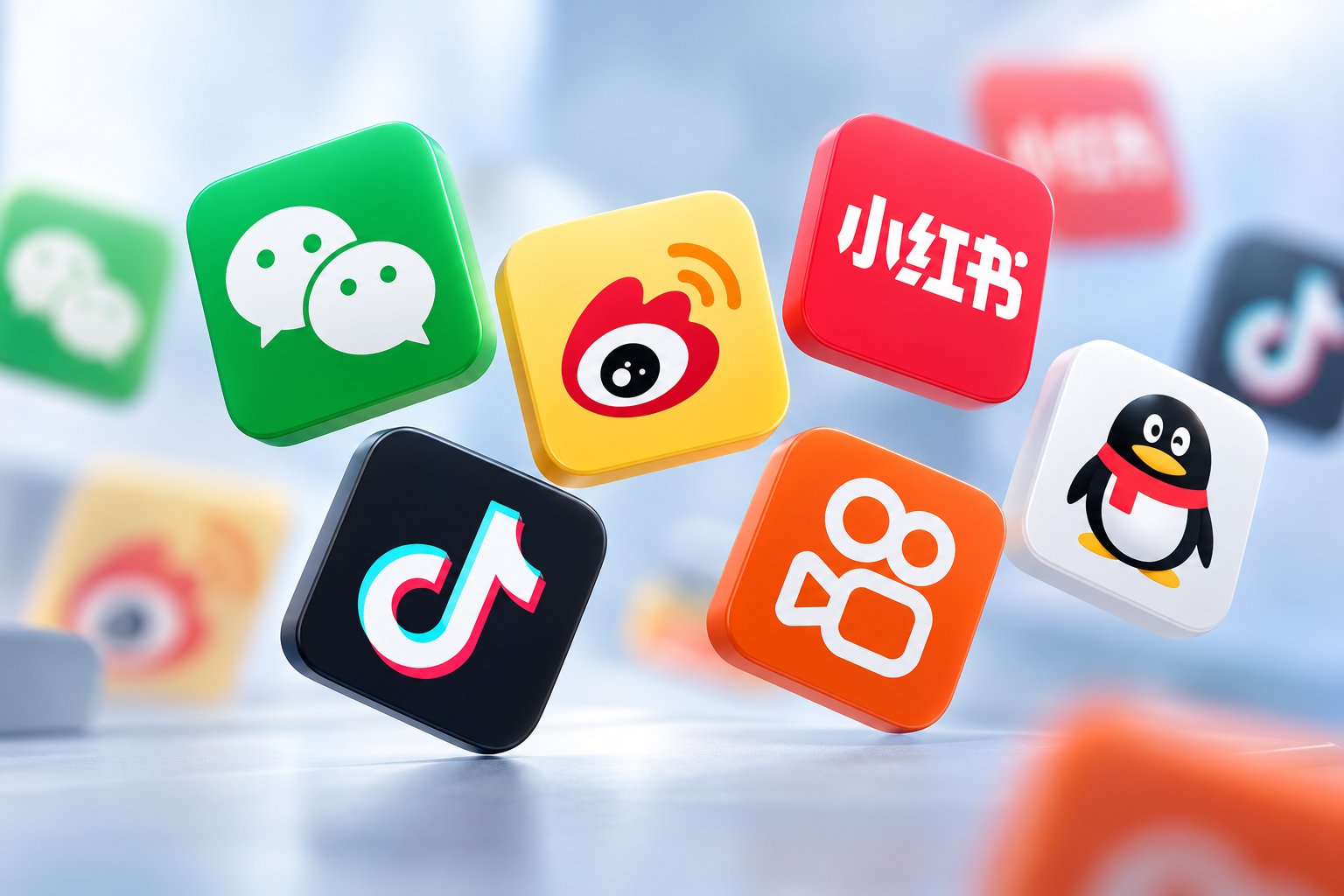
Chinese social media marketing Singapore businesses need is not simply English content translated into Chinese. Singapore has many Mandarin-speaking and bilingual customers, and they notice quickly when a brand’s language, tone or timing feels off. Getting it right builds trust, while getting it wrong makes a business look careless.
This guide covers five essential mistakes to avoid, plus how to choose platforms and language for Chinese-speaking audiences.
Why Chinese Social Media Marketing Singapore Needs Is Different
Singapore is multilingual, and many residents speak Mandarin at home, according to the Singapore Department of Statistics. Some customers prefer Chinese, some prefer English, and many switch between both depending on the topic.
That means one language choice rarely fits everyone. Your content has to match who you are speaking to, where they spend time online and what they expect from a brand.
5 Essential Mistakes to Avoid in Chinese Social Media Marketing
1. Translating Word for Word
Direct translation often sounds stiff or unnatural. Phrases that work in English may carry a different meaning, or no meaning at all, in Chinese.
Write Chinese copy from scratch, using the same message and a natural tone. Singapore uses simplified Chinese characters, and local expressions can differ from those used in China or Taiwan, so have a native speaker review every post. Short, clear sentences usually read better than long, formal ones.
2. Using the Same Content on Every Platform
Each platform has its own style. A polished brand post on Facebook may look out of place on Xiaohongshu, where readers prefer detailed, personal and search-friendly posts.
Effective Chinese social media marketing Singapore brands rely on adapts the format, headline and length for each channel while keeping the core message consistent.
3. Ignoring Cultural Timing
Chinese festivals and traditions shape what customers want to see. Chinese New Year, Mid-Autumn Festival and the weeks leading up to them are big moments for greetings, offers and gifting.
Other periods need care. During the Hungry Ghost Festival, some audiences prefer brands to avoid overly cheerful promotions. Colours and numbers matter too, so check meanings before using them in campaigns. Plan festive content early, so your team has time for design, translation and approval.
4. Treating Chinese-Speaking Customers as One Group
A Singaporean Chinese family, a new arrival from China and a Malaysian Chinese professional may all read Chinese content, yet they have different habits, platforms and expectations.
Decide which group you want to reach, then tailor your message, offers and platforms to them. Broad content aimed at everyone often connects with no one.
5. Forgetting Customer Service in Chinese
Great content attracts enquiries, but slow or awkward replies lose them. If a customer messages you in Chinese and your team answers late or only in English, you may lose the sale.
Make sure someone can reply in Chinese through WhatsApp, Instagram messages and comments, and prepare simple answers to common questions. Even a short, friendly reply in Chinese shows customers they are valued.
Which Platforms Work for Chinese-Speaking Audiences?
The right platform depends on your audience and industry. Common options include:
- Xiaohongshu: Strong for searchable, review-style content in categories like renovation, beauty, food and education
- Facebook: Useful for community groups, events and older audiences
- Instagram: Good for visual brands and short video
- TikTok: Effective for short, entertaining or educational clips
- WhatsApp and WeChat: Helpful for customer conversations and follow-up
Start with one or two platforms rather than all of them. Our Xiaohongshu marketing Singapore guide explains how to begin on that platform, and our guide to Xiaohongshu influencer marketing Singapore brands use covers working with creators.
Language Checklist for Chinese Content
Before publishing, review each post against this list. A consistent routine makes Chinese social media marketing Singapore customers trust easier to maintain:
- Is the Chinese natural, or does it read like a translation?
- Are the characters simplified and consistent?
- Have a native speaker checked names, prices and terms?
- Do the hashtags and keywords match what people search?
- Do images and captions agree with each other?
- Is there a clear way to enquire in Chinese?
When to Use English, Chinese or Both
There is no single rule. English works well for many younger and professional audiences, while Chinese is often better for emotional topics, family-related services and platforms such as Xiaohongshu.
Bilingual posts can reach more people, but keep them tidy. Put the main language first, avoid long blocks of text in two languages and test which version earns more saves, comments and enquiries.
The best Chinese social media marketing Singapore mix depends on your audience, so test both languages and compare enquiries before settling on a pattern.
Content Ideas for Chinese-Speaking Audiences
Useful content ideas for Chinese social media marketing Singapore brands can adapt include:
- Festive greetings and seasonal offers with natural Chinese wording
- Step-by-step guides and checklists in simple language
- Customer stories and before-and-after results
- Answers to common questions, written the way customers actually ask them
- Behind-the-scenes posts that show your team and process
- Short videos with Chinese subtitles
Keep each idea tied to a customer need, not just a trending topic.
How to Get Started
Begin by deciding who you want to reach and which language they prefer. Then review your existing content and mark what can be adapted rather than translated.
Plan a small test, such as four weeks of posts on one platform, and track the enquiries. If you want support, Globivio’s social media marketing service covers Xiaohongshu among other channels, and you can see examples in our social media marketing portfolio. Before you commit, ask any partner how they approach Chinese social media marketing Singapore audiences can respond to.
Frequently Asked Questions
Do I Need Chinese Content If My Business Already Posts in English?
Not always. If your customers mostly read English, extra Chinese content may add little. It becomes useful when your audience includes Mandarin speakers who prefer it, or when you use platforms such as Xiaohongshu.
Should I Use Simplified or Traditional Chinese?
Singapore commonly uses simplified Chinese, so it is usually the safer choice for local audiences. Use traditional characters only if you are targeting audiences that prefer them.
Can I Use Machine Translation?
It can help with a first draft, but it should never be published without review. Tone, idioms and industry terms often need a native speaker to fix.
How Often Should I Post in Chinese?
Post as often as you can keep quality high, usually two to three times a week to start. Consistency matters more than volume, especially when each post needs careful language review.
How Do I Know It Is Working?
Track saves, comments, messages and enquiries by language and platform. Comparing results helps you see where Chinese social media marketing Singapore businesses invest in is actually paying off.
Final Thoughts
Strong Chinese content respects language, culture and platform habits. Avoiding direct translation, copy-paste posting, poor timing, vague targeting and slow replies puts your brand ahead of many competitors. If you want to reach Mandarin-speaking customers, Chinese social media marketing Singapore SMEs can sustain is a smart place to invest.
Contact Globivio today to plan your Chinese social media content — our team can help you choose platforms, shape the message and track enquiries against your business goals.