
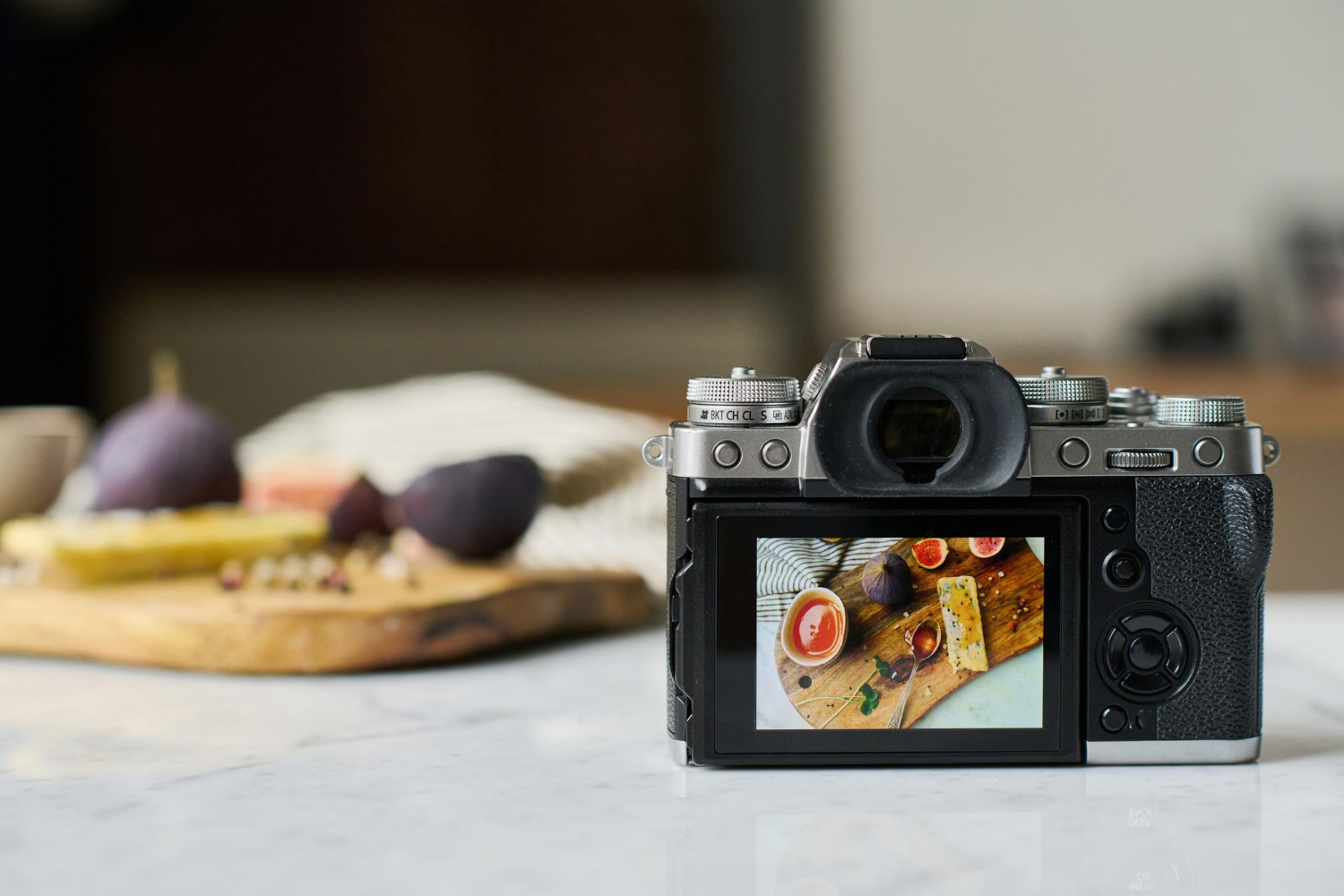
Food photography Singapore diners see on Instagram, delivery apps and Google Maps often decides where they eat before they ever read a review. A great photo makes people hungry. A poor one makes them scroll past, no matter how good the food actually tastes.
Many F&B owners lose customers through avoidable photo mistakes rather than the food itself. Here are five essential mistakes to avoid, and how to fix each one.
Why Food Photography Singapore F&B Brands Invest In Pays Off
Singapore is a food-loving city with no shortage of choices. Customers compare cafes, restaurants and takeaway brands in seconds, usually on their phones.
Your photos work as your first impression. They appear on your Google Business Profile, social media, delivery listings, menus and ads, so weak images quietly hurt every channel at once.
Strong visuals also make your marketing budget go further. A well-shot dish can help the same ad or post perform better without spending a single extra dollar.
This matters even more for delivery orders, where customers cannot see the venue, smell the food or feel the atmosphere. The image does the selling for you.
5 Essential Food Photography Mistakes to Avoid
1. Using Harsh or Poor Lighting
Overhead restaurant lights and direct flash create harsh shadows, greasy highlights and yellow colour casts. Food ends up looking flat or unappetising.
Soft, natural-looking light shows texture and colour more accurately. Shooting near a window, using diffusers or working in a controlled studio setup makes a big difference.
2. Showing Food That Does Not Match Reality
Over-editing, heavy filters or styling tricks can make a dish look far better than what arrives at the table. Customers notice, and disappointment leads to poor reviews.
Aim for photos that look delicious and honest. Food businesses in Singapore also need to follow requirements from the Singapore Food Agency on matters such as labelling and claims, so make sure your images do not mislead customers about what they will receive.
3. Cluttered or Inconsistent Styling
Busy backgrounds, mismatched plates and random props pull attention away from the food. Photos taken at different times, with different looks, make the brand feel disorganised.
Choose a simple style that matches your brand, with consistent colours, plates and backdrops. Let the dish be the hero. Consistency also makes your posts easy to recognise in a crowded feed.
4. Ignoring Where the Photos Will Be Used
A photo that looks great on a menu may crop badly on Instagram or a delivery app. Text, key details and the dish itself can get cut off.
Plan your shots for each platform before the shoot, and ask for vertical, square and wide versions. This is one reason professional food photography Singapore brands rely on tends to cover more formats in a single session.
5. Shooting Once and Never Updating
Menus change, seasons shift and festive items come and go. A single photo session from two years ago leaves you with outdated visuals and gaps.
Build a small photo library that covers your bestsellers, new items and seasonal specials. Refresh it whenever the menu changes. Fresh images also give your social media team new material without starting from scratch each month.
Phone Photos or Professional Shoots? What F&B Brands Should Know
Modern phones can take good photos, and they are useful for quick daily updates. They work best when you control the lighting and keep the styling simple.
For menus, ads, websites and launch campaigns, professional work is usually worth it. Consistent lighting, styling and editing across many dishes is difficult to achieve alone. If you want images you can use across your whole marketing plan, food photography Singapore businesses invest in professionally is often the safer choice.
What to Prepare Before a Food Photoshoot
A little planning saves time and money on the day. Before booking food photography Singapore studios or photographers, prepare the following:
- A shot list of your bestsellers, new items and seasonal dishes
- Your brand colours, logo and any style references you like
- A note of where the photos will be used, such as menus, social media, ads and delivery apps
- Dishes prepared fresh and consistently, so they look their best on camera
- Props and plates that reflect your brand
Sharing this with your photographer early helps you avoid reshoots and keeps the results on brief.
What Professional Food Photography Should Include
Good food photography Singapore restaurants and cafes can use everywhere should include more than a single hero shot. Look for a mix of styles:
- Hero shots of individual dishes
- Flat lays showing sets and sharing platters
- Close-ups that highlight texture and detail
- Lifestyle shots with hands, drinks and dining settings
- Cropped versions for social media, menus and ads
This variety gives your marketing team fresh content for weeks, instead of repeating the same image everywhere.
How to Get Started
Start by reviewing your current photos. Look at your Google Business Profile, Instagram and delivery listings side by side, and note which images look dated, dark or inconsistent.
Then decide which items deserve professional shots first, usually your bestsellers and high-margin dishes. When you brief a team, explain how your food photography Singapore project fits into your wider marketing plan.
Globivio’s product and studio photoshoot service helps businesses create visuals for branding, advertising and online sales. You can see examples in our photography portfolio, and combine your new images with social media marketing to reach more diners.
Frequently Asked Questions
How Many Dishes Should We Photograph First?
Start with your bestsellers and highest-margin items, plus any new launches. These give the biggest return on your photos, and you can add more dishes over time.
Should Food Be Shot in a Studio or at My Restaurant?
Both work. A studio gives full control over light and background, while an on-site shoot captures your real setting. The best choice depends on your brand and where the photos will appear.
How Long Does a Food Photoshoot Take?
It depends on the number of dishes, the styling needed and the setup. A small menu can often be covered in a few hours, while larger menus or multiple locations take longer. Your photographer can estimate this once they know your shot list.
How Often Should I Update My Food Photos?
Update them whenever your menu, plating or packaging changes, and refresh seasonal items for each campaign. A yearly review of all your images is a good habit.
Can I Use Professional Photos on Delivery Apps and Social Media?
Yes, provided your agreement covers usage. Confirm in advance that you receive files in the right formats and can use them across menus, ads and platforms. Choosing food photography Singapore providers who explain usage rights clearly helps avoid confusion later.
Final Thoughts
Great food photos do more than look nice. They build trust, support your ads and help hungry customers choose you. Avoiding poor lighting, misleading images, cluttered styling, wrong formats and outdated libraries puts you ahead of many competitors, and quality food photography Singapore diners respond to is a smart investment.
Contact Globivio today to plan your next photoshoot — our team can review your menu, your marketing goals and the platforms you sell on, then recommend the right visuals for your business.